
EBOO Therapy at Renovo Clinic
Understanding Extracorporeal Blood Oxygenation and Ozonation
Renovo Clinic offers EBOO (Extracorporeal Blood Oxygenation and Ozonation) as part of its cellular oxygenation and supportive care services. This procedure involves circulating blood outside the body through specialized equipment as part of an oxygenation and ozonation process.
Because EBOO is a specialized medical procedure, determining whether it is appropriate requires an individualized assessment of your health, medical history, and treatment goals.
What Is EBOO Therapy?
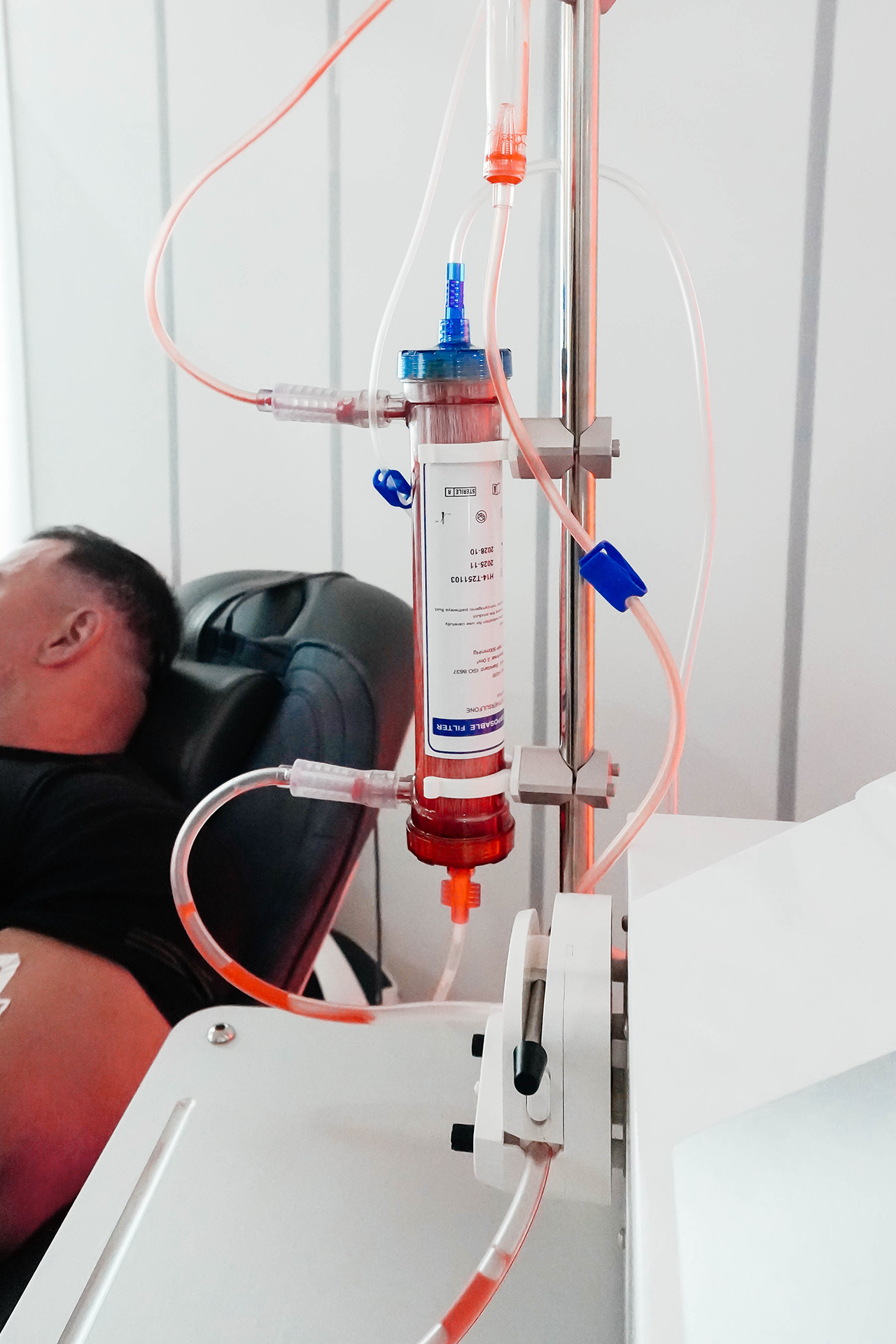
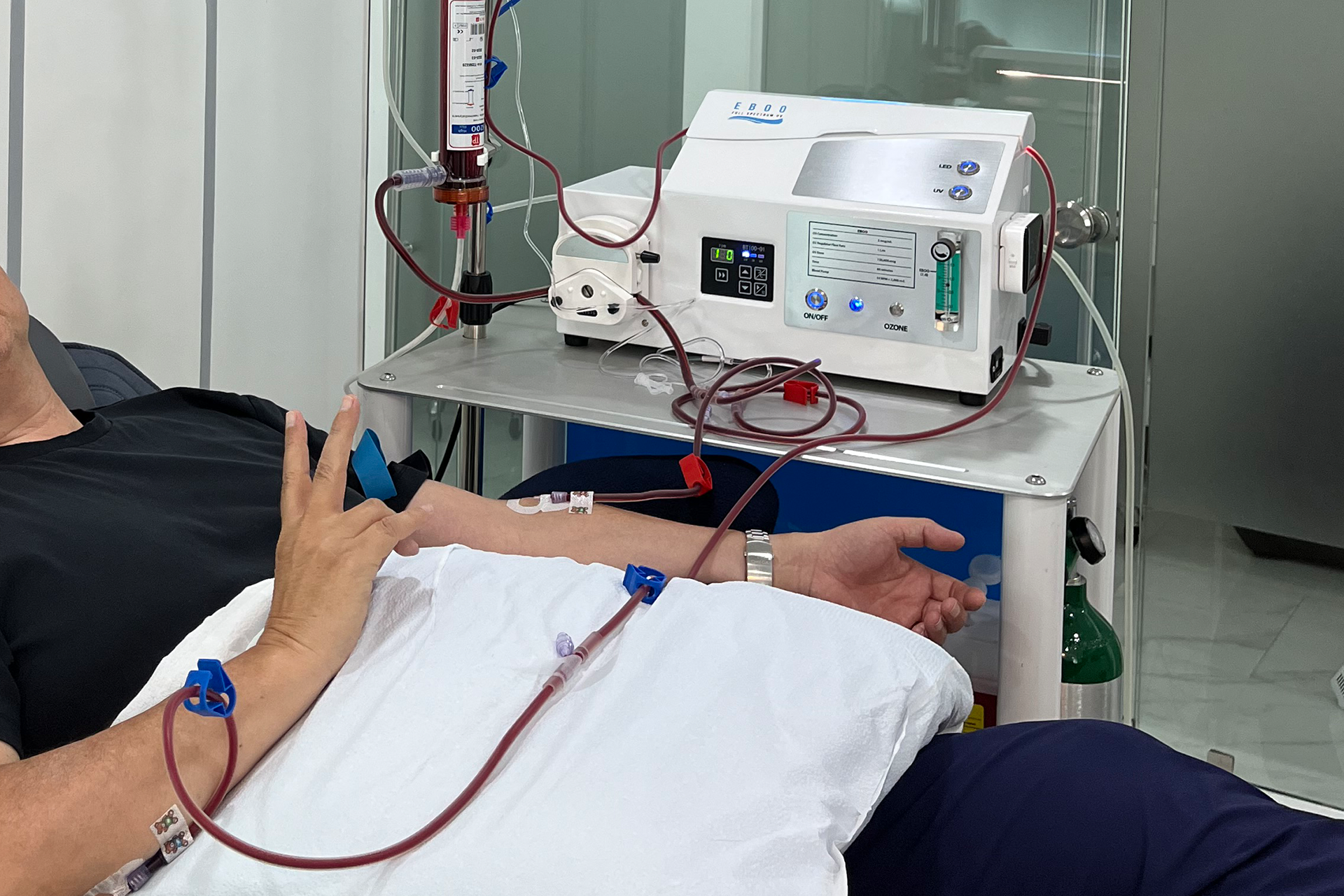
EBOO stands for Extracorporeal Blood Oxygenation and Ozonation. It is a procedure in which blood is withdrawn from the body, passed through specialized equipment, and returned as part of an extracorporeal treatment process involving oxygen and ozone.
Ozone is a reactive form of oxygen. Although ozone-based procedures have been explored in different medical contexts, the evidence supporting their effectiveness varies, and EBOO has not been established as an effective treatment for many of the conditions promoted in alternative medicine.
At Renovo Clinic, a medical consultation is the first step in understanding the procedure, reviewing its potential risks and limitations, and determining whether further consideration is appropriate.
Understanding Cellular Oxygenation
Oxygen plays an essential role in normal cellular function. Renovo Clinic groups EBOO within its broader services related to detoxification and cellular oxygenation.
EBOO combines an extracorporeal blood-circulation process with oxygenation and ozone exposure. However, this procedure should not be understood as a proven method for increasing oxygen delivery throughout the body, removing unspecified toxins, or correcting cellular dysfunction.
The suitability of any oxygenation-related procedure depends on the patient's health status, the medical rationale for treatment, and an informed assessment of its potential risks and benefits.
Exploring Potential Applications
The existing Renovo Health & Beauty website discusses EBOO in connection with several areas of supportive care, including immune health, chronic infections, chronic fatigue, autoimmune conditions, and cardiovascular health.
However, these mentions should not be interpreted as proof that EBOO effectively treats these conditions. Evidence for ozone-based therapies is limited or uncertain for many proposed applications, and EBOO is not a substitute for established medical treatment.
A consultation provides an opportunity to discuss your health concerns, review the available evidence, and determine whether the procedure has a medically justified role in your care.
Treatment decisions should be made with a qualified healthcare professional who understands your medical history and current treatment plan.
Your Consultation and Evaluation
Before considering EBOO, it is important to understand the procedure and evaluate whether its potential risks are appropriate for your individual circumstances.
Your consultation may include:
- Review of Your Medical History: Discuss your health conditions, current symptoms, medications, previous treatments, and relevant medical records.
- Assessment of Your Health Needs: Explain your treatment goals and the concerns that have led you to consider cellular oxygenation or ozone-based procedures.
- Discussion of Risks and Limitations: Review the available scientific evidence, uncertainties, possible complications, and alternative treatment options.
- Informed Treatment Decision: If the procedure is being considered, a qualified medical professional should explain its rationale, contraindications, monitoring requirements, and the basis for determining whether proceeding is appropriate.
An evaluation does not guarantee eligibility for treatment or establish that EBOO will provide a clinical benefit.
Safety and Informed Decisions
EBOO involves extracorporeal blood circulation and ozone exposure. These procedures require appropriate medical oversight, specialized equipment, and careful consideration of patient-specific risks.
Potential concerns may include complications associated with vascular access, the extracorporeal circuit, and ozone exposure. The nature and likelihood of complications depend on the procedure and the patient's circumstances.
Ozone is toxic when inhaled, and its medical use requires particular caution. The fact that a procedure uses a patient's own blood does not mean it is risk-free.
Patients should discuss the available evidence, potential complications, contraindications, and established alternatives with a qualified healthcare professional before making a decision.
EBOO should not replace prescribed medication, established treatment for chronic disease, or urgent medical care.
Extracorporeal Blood Oxygenation and Ozonation
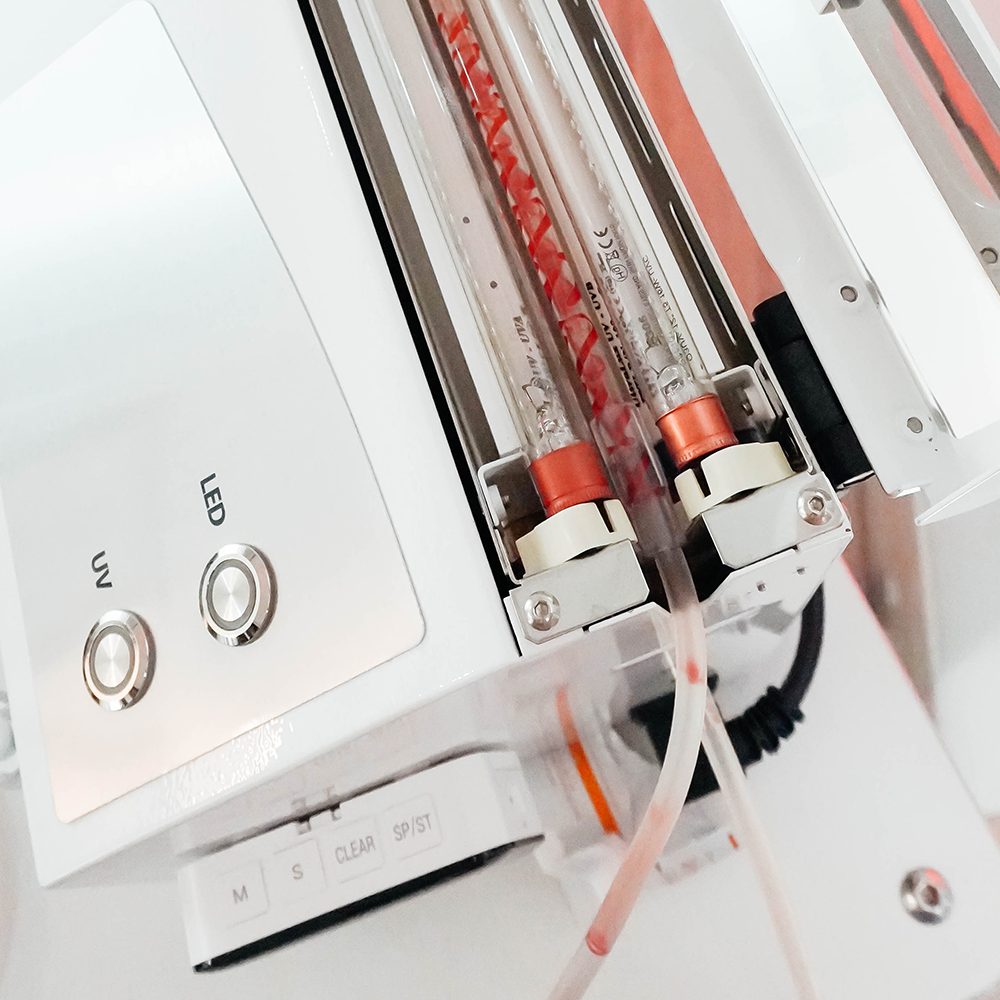
EBOO Therapy is an extracorporeal procedure that circulates blood through a specialized medical device for oxygenation and ozonation before returning it to the body. It is presented as an approach within Renovo Clinic's cellular oxygenation and wellness services.

Cellular Oxygenation
Supports oxygenation at the cellular level.
Inflammatory Response
May help address chronic inflammatory processes.

Detoxification & Oxidative Stress
Supports detoxification protocols and oxidative stress management.
Energy & Mental Clarity
Some patients report improved energy and mental clarity.
Take the Next Step
Learn More About EBOO at Renovo Clinic
If you are exploring EBOO and cellular oxygenation, Renovo Clinic can provide information about its consultation process and help you discuss whether this procedure is appropriate for your individual circumstances.
Contact our team to learn more about the procedure, the medical review process, and the information needed before treatment can be considered.
The information on this page is provided for educational purposes only and is not intended to replace professional medical advice, diagnosis, or treatment. EBOO and ozone-based therapies have not been established as effective treatments for many of the conditions for which they are promoted. Their potential benefits, risks, and limitations depend on the clinical context, and evidence remains limited or uncertain for many proposed applications. EBOO is not a substitute for established medical care. Consult a qualified healthcare professional to discuss your medical history, potential contraindications, available evidence, and appropriate alternatives before considering this procedure.
