
Platelet-Rich Plasma (PRP) Therapy
Personalized Regenerative Care to Support Tissue Recovery
Platelet-rich plasma (PRP) therapy is a minimally invasive regenerative treatment that uses components of your own blood to support the body's natural healing processes. At Renovo Clinic, PRP treatment plans are tailored to each patient's diagnosis, medical history, symptoms, and recovery goals.
For selected musculoskeletal conditions, PRP may be considered as an option to support tissue recovery, address discomfort, and improve physical function.
What Is PRP Therapy?
Platelet-rich plasma therapy uses a concentrated portion of your own blood that contains platelets and their associated growth factors.
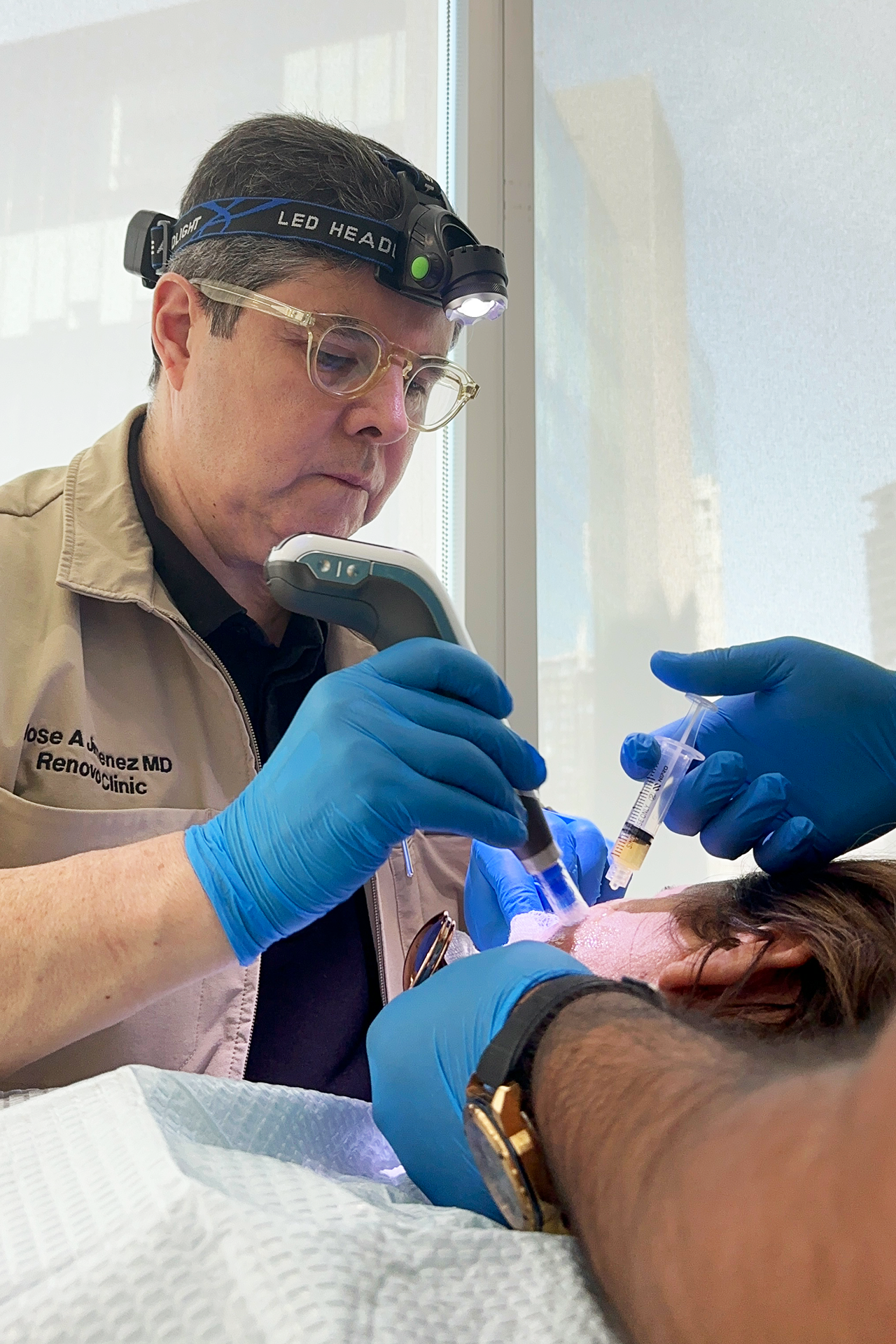
The process begins with a blood draw. The sample is then processed in a centrifuge to separate the platelet-rich plasma from other blood components. The resulting preparation may be injected into a targeted treatment area, depending on the condition being evaluated.
PRP is used in regenerative medicine to support the body's natural tissue-repair processes. Its potential effects vary according to the condition, the treatment approach, and individual patient factors.
At Renovo Clinic, a medical evaluation helps determine whether PRP may be an appropriate option for your needs.
Potential Benefits of PRP Therapy
PRP therapy is used for selected musculoskeletal conditions because of its potential to support the body's natural healing response.
Depending on the condition being treated, potential benefits may include:
- Supporting Tissue Recovery: Concentrated platelets release growth factors involved in the body's natural repair processes. PRP may support recovery in selected injured tissues.
- Addressing Pain and Inflammation: For certain orthopedic conditions, PRP may help reduce discomfort and support improvements in physical function. Results vary, and benefits are not guaranteed.
- A Minimally Invasive Procedure: PRP is administered through injections rather than an open surgical procedure. The treatment process and recovery considerations depend on the targeted area and individual circumstances.
- Using Your Own Blood: PRP is prepared from the patient's own blood. Although this avoids the use of donor-derived blood components, the procedure still has potential risks and is not suitable for everyone.
- Personalized Treatment Planning: At Renovo Clinic, the decision to recommend PRP is based on the patient's diagnosis, medical history, symptoms, previous treatments, and recovery goals.
Conditions We Evaluate
Renovo Clinic's published information identifies several musculoskeletal conditions for which PRP may be considered, including:
-
Chronic joint pain
-
Osteoarthritis
-
Tendon injuries
-
Ligament injuries
-
Sports-related injuries
-
Muscle strains
The potential role of PRP differs by condition. A medical evaluation is necessary to determine whether it may be appropriate for a specific diagnosis and to discuss the available evidence, potential risks, and alternative treatments.
PRP is not a guaranteed solution for every injury or degenerative condition.
What to Expect During Your PRP Consultation
Your consultation begins with an evaluation of your condition and treatment goals.
The process may include:
- Medical History Review: Your medical history, symptoms, previous treatments, and relevant health information are reviewed.
- Assessment of Your Condition: The medical team discusses your symptoms and may review available imaging studies or other relevant diagnostic information.
- Treatment Discussion: If PRP may be appropriate, your provider explains the procedure, expected recovery considerations, potential risks, and realistic expectations.
- Personalized Care Plan: If you are considered a suitable candidate, a treatment plan is developed according to your diagnosis and individual circumstances. The plan may include guidance on recovery and recommended follow-up.
The number of treatments and the expected response depend on the condition being treated and your medical assessment.
PRP Therapy FAQs
Is stem cell therapy painful?
Most patients experience only mild discomfort during treatment. Depending on the area being treated, local anesthesia or other comfort measures may be used to help minimize discomfort throughout the procedure.
How long does recovery take after stem cell therapy?
Recovery varies depending on the condition being treated and your overall health. Many patients are able to resume light daily activities within a few days, although healing and tissue regeneration continue over the following weeks and months. Dr. José Jiménez provides individualized recovery recommendations based on your treatment plan.
How many stem cell treatments will I need?
Treatment recommendations vary from patient to patient. Some individuals may benefit from a single procedure, while others may require additional treatments depending on their diagnosis, treatment goals, and response to therapy. Your personalized plan will be discussed during your consultation.
Is stem cell therapy an alternative to surgery?
For some patients, yes. Regenerative medicine may be considered before surgery for certain orthopedic and degenerative conditions when appropriate. However, treatment recommendations always depend on the underlying diagnosis, and some patients may still require surgical intervention. A comprehensive evaluation is essential to determine the most appropriate course of care.
When will I begin noticing results?
Every patient’s healing process is different. Some individuals notice gradual improvements within several weeks, while others continue experiencing progress over several months as the body’s natural healing response develops.
Are the results permanent?
Stem cell therapy is designed to support the body’s natural healing processes, but results vary depending on the condition being treated, age, lifestyle, and overall health. Following your personalized treatment plan and maintaining healthy lifestyle habits may help support long-term outcomes.
Explore Your PRP Therapy Options
Personalized Care Begins With an Evaluation
When joint pain or a musculoskeletal injury affects your daily activities, understanding your treatment options can help you make informed decisions about your care.
At Renovo Clinic, the medical team evaluates each patient's condition before determining whether PRP therapy may be appropriate. The consultation provides an opportunity to discuss your diagnosis, recovery goals, potential benefits, risks, and alternative approaches.
Contact Renovo Clinic to learn more about the evaluation process and whether PRP therapy may be an option for you.
The information on this page is provided for educational purposes only and is not intended to replace professional medical advice, diagnosis, or treatment. PRP therapy is not appropriate for every patient or condition, and its effectiveness varies depending on the clinical application. Potential benefits, risks, limitations, and alternatives should be discussed with a qualified healthcare professional. Individual outcomes are not guaranteed. A medical evaluation is required to determine whether PRP therapy may be appropriate for your circumstances.
